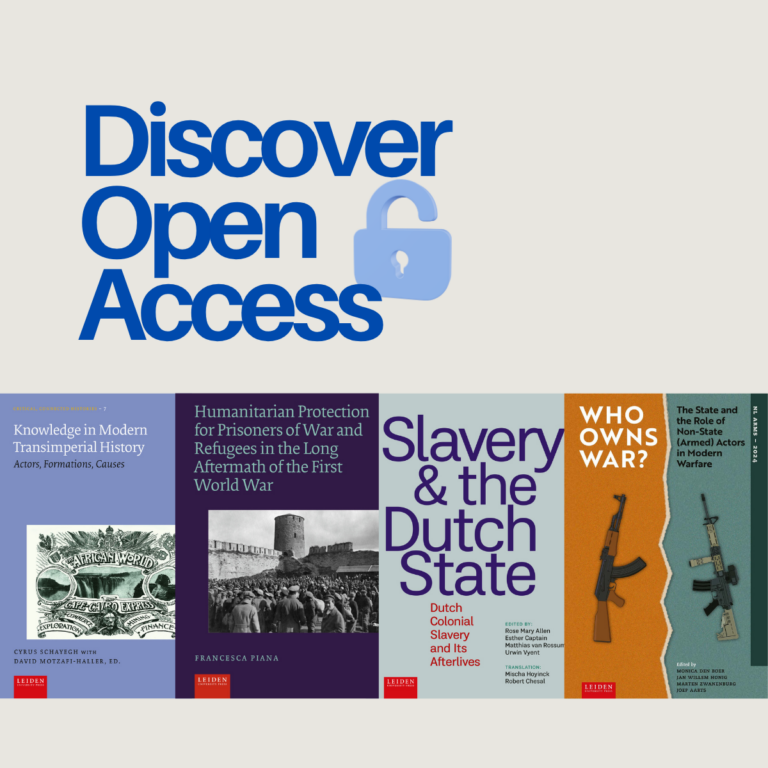
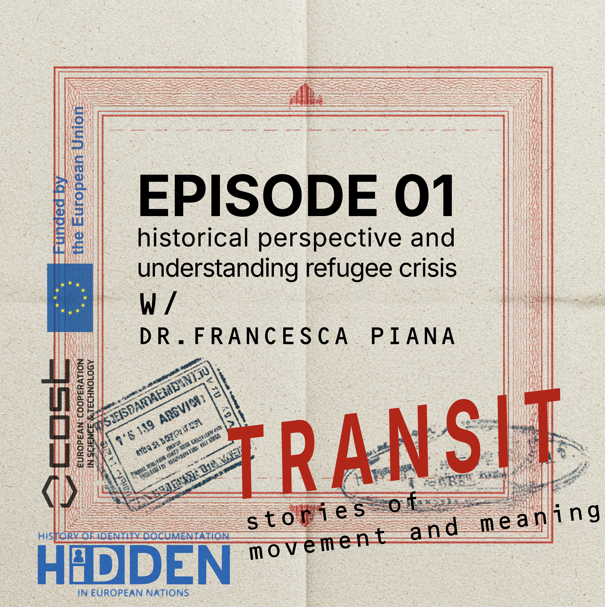
At Leiden University Press, we are committed to publishing scholarship that deepens our understanding of pressing global issues through rigorous historical and interdisciplinary research. A recent podcast episode featuring Francesca Piana brings this mission into focus by examining the historical roots of modern humanitarian protection systems.
Drawing on her book, Humanitarian Protection for Prisoners of War and Refugees in the Long Aftermath of the First World War, Piana explores how international responses to forced displacement were shaped in the wake of World War I. Her research reveals that contemporary refugee protection regimes did not emerge suddenly, but were built through complex negotiations, institutional experimentation, and evolving humanitarian ideals during the interwar period.
In the podcast, listeners will discover:
- How early 20th-century humanitarian actors approached prisoner-of-war and refugee protection
- The development of international governance mechanisms after WWI
- The long-term impact of interwar policies on modern refugee frameworks
- Why historical context is essential for informed discussions about present-day displacement crises
By situating current debates within a longer historical trajectory, Piana’s work challenges simplified narratives and encourages a more nuanced understanding of humanitarianism and international protection.
We invite you to listen to the full podcast episode here:
https://open.spotify.com/episode/0VRyoBCU4bQphi8FMitbIR
To learn more about the book and explore its full contribution to the field of humanitarian and migration history, visit the book page here: https://lup.nl/publications/political-science/conflict-studies/humanitarian-protection-for-pows-and-refugees/
Image credit: Transit Podcast / Hidden Cost Action – WG6. With special thanks to Hidden Cost Action, the project that produces the podcast https://hidden-costaction.eu/